How to Lower A1C Naturally in 2026: A Complete Evidence-Based Guide to Diet, Lifestyle and Supportive Compounds
A comprehensive look at what A1C is, what the numbers mean, and the research-backed strategies — from diet and movement to sleep, stress and natural compounds — that may help support healthy blood sugar.
Table of Contents
- What Is A1C and What Do the Numbers Actually Mean
- Why A1C Matters for Long-Term Health
- Target A1C Ranges by Age and Condition
- Conventional Medical Approaches to Lowering A1C
- The Role of Diet in How to Lower A1C Naturally
- Foods Clinically Shown to Support Healthy A1C
- Physical Activity and Insulin Sensitivity
- Sleep, Stress and Their Impact on A1C
- Natural Compounds with Research-Backed Evidence
- Common Misconceptions About How to Lower A1C Naturally
- Home A1C Testing vs Lab Tests
- When to Talk to Your Doctor
- Emerging Research and Future Directions

1. What Is A1C and What Do the Numbers Actually Mean
Before exploring how to lower A1C naturally, it helps to understand what the number actually represents. A1C — also called hemoglobin A1C, HbA1c, or glycated hemoglobin — measures the percentage of red blood cells whose hemoglobin has become coated with sugar over the previous two to three months. Because red blood cells live for approximately 120 days, the A1C provides a long-term average of blood sugar exposure rather than a single moment-in-time reading.
According to the American Diabetes Association (ADA), A1C results are interpreted as follows: below 5.7% is considered normal; between 5.7% and 6.4% indicates prediabetes; and 6.5% or higher on two separate tests typically indicates diabetes. The number is reported as a percentage because it reflects the proportion of glycated hemoglobin in the bloodstream.
This distinction matters because a single morning blood sugar reading can be normal even when A1C is elevated, and vice versa. For anyone researching how to lower A1C naturally, the takeaway is that meaningful change requires consistent improvement over weeks and months — not just one good day.
2. Why A1C Matters for Long-Term Health
A1C is one of the most clinically important markers in metabolic health because it correlates with long-term risk of complications. According to the Centers for Disease Control and Prevention (CDC), every 1% reduction in A1C among people with diabetes is associated with significant reductions in the risk of microvascular complications, including diabetic retinopathy, neuropathy, and kidney disease.
Sustained elevations in A1C are also linked to increased cardiovascular risk. The UK Prospective Diabetes Study (UKPDS), one of the longest-running diabetes trials, demonstrated that lowering A1C by approximately 1% was associated with a 14% reduction in heart attacks and a 21% reduction in deaths related to diabetes complications over time.
This is why so many people search for how to lower A1C naturally — not just to hit a number, but to reduce the silent, cumulative damage that elevated blood sugar can cause over years.
3. Target A1C Ranges by Age and Condition
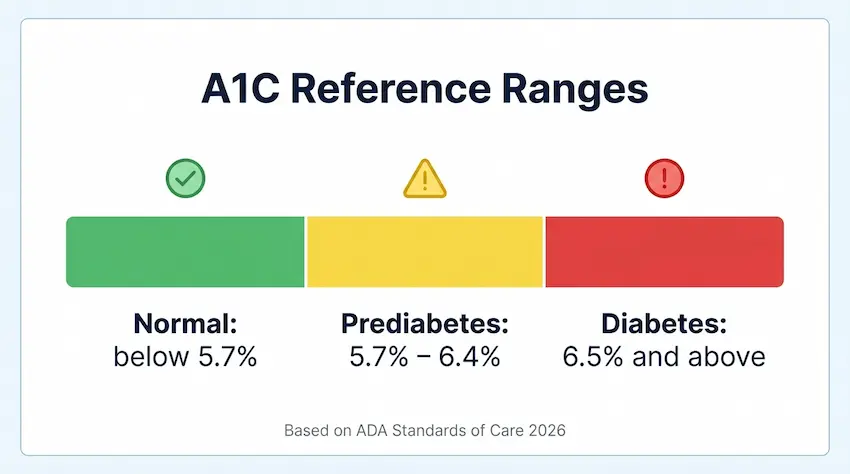
While general guidelines exist, A1C targets are individualized. The ADA generally recommends:
- Most non-pregnant adults with diabetes: A1C below 7.0%
- Healthy older adults with few comorbidities: A1C below 7.5%
- Older adults with complex health issues: A1C below 8.0% to 8.5%
- People with prediabetes: ideally returning to below 5.7%
- Pregnancy (gestational diabetes): typically below 6.0% if achievable safely
Tighter targets are not always better. The ACCORD trial found that very aggressive A1C lowering using intensive medication in older adults with longstanding diabetes increased the risk of severe hypoglycemia and was associated with increased mortality in some subgroups. This is one reason why natural approaches to A1C reduction — when appropriate and supervised — are receiving more clinical interest.
4. Conventional Medical Approaches to Lowering A1C
Standard medical care for elevated A1C typically involves a stepwise approach combining lifestyle changes with medications. According to current ADA Standards of Care, the most commonly prescribed classes include:
Metformin
Metformin remains the first-line medication for type 2 diabetes, working primarily by reducing hepatic glucose production and improving insulin sensitivity. It is associated with modest A1C reductions of 1.0% to 1.5%.
GLP-1 Receptor Agonists
Medications like semaglutide (Ozempic, Wegovy) and tirzepatide (Mounjaro) mimic the body's natural GLP-1 hormone, which slows gastric emptying, reduces appetite, and stimulates insulin release. They can lower A1C by 1.5% to 2.0%.
SGLT2 Inhibitors
SGLT2 inhibitors such as empagliflozin and dapagliflozin lower blood sugar by causing the kidneys to excrete more glucose in the urine. They also offer cardiovascular and kidney-protective benefits.
Insulin
For people whose pancreas no longer produces sufficient insulin, basal or mealtime insulin may be necessary. Insulin remains the most potent A1C-lowering therapy.
None of these medications should be stopped or changed without physician supervision. However, lifestyle changes — the focus of this guide — remain the foundation of every diabetes treatment plan, even when medication is part of care.
5. The Role of Diet in How to Lower A1C Naturally
Of all the modifiable factors that influence A1C, diet is the most studied and most impactful. The 2022 ADA Nutrition Consensus Report concluded that no single eating pattern is best for every individual, but several patterns have strong evidence for improving A1C.
Mediterranean Diet
Multiple randomized trials, including the landmark PREDIMED study, have shown that a Mediterranean-style diet rich in olive oil, vegetables, legumes, fish and nuts is associated with reductions in A1C and cardiovascular risk.
Low-Carbohydrate Approaches
Lower-carbohydrate diets have shown strong short-term A1C reductions in clinical trials, particularly for people with type 2 diabetes. A 2019 systematic review in the BMJ found that low-carb diets produced greater A1C reductions than low-fat diets in the first six months.
Plant-Based and DASH Patterns
Whole-food, plant-forward diets emphasizing vegetables, legumes, whole grains, nuts and seeds have also demonstrated meaningful A1C benefit, particularly when combined with reduced ultra-processed food intake.
For anyone researching how to lower A1C naturally, the consistent thread across all evidence-based diets is: more fiber, more whole foods, fewer refined carbohydrates and added sugars, and adequate protein.
6. Foods Clinically Shown to Support Healthy A1C
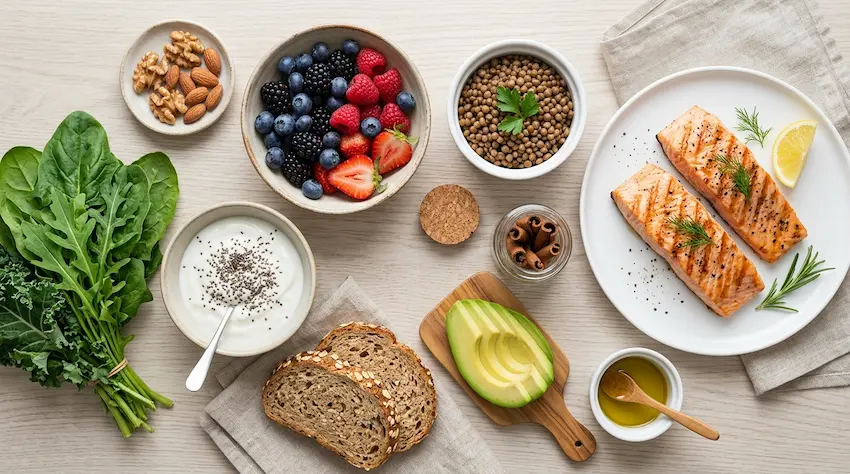
Beyond overall dietary pattern, specific foods have been studied for their effects on glucose and A1C. The following categories appear consistently in the literature:
- Leafy greens and non-starchy vegetables: high in fiber and micronutrients, with minimal blood sugar impact
- Legumes (beans, lentils, chickpeas): the high-fiber, slow-digesting carbohydrates have been associated with significantly lower A1C in long-term studies
- Fatty fish (salmon, sardines, mackerel): omega-3 fatty acids support inflammatory pathways linked to insulin resistance
- Nuts and seeds: tree nuts in particular have been linked to small but meaningful A1C reductions in meta-analyses
- Berries: rich in polyphenols and anthocyanins, with a lower glycemic load than most fruits
- Whole grains (oats, barley, quinoa): the soluble fiber beta-glucan has been shown to blunt post-meal glucose spikes
- Fermented foods (yogurt, kefir, sauerkraut): emerging evidence suggests gut microbiome composition may influence A1C
- Vinegar: small studies show 1-2 tablespoons of vinegar before high-carb meals can reduce post-meal glucose spikes
- Cinnamon and culinary spices: certain spices have been studied for their effects on insulin sensitivity (see Section 9)
Equally important is what to limit: ultra-processed foods, sugar-sweetened beverages, refined grain products, and trans fats have all been associated with higher A1C in observational studies.
7. Physical Activity and Insulin Sensitivity

Exercise is one of the most effective non-pharmacologic tools for improving A1C. The American College of Sports Medicine and the ADA both recommend at least 150 minutes of moderate aerobic activity per week, distributed across at least three days, with no more than two consecutive days without activity.
Resistance training adds independent benefit. A 2018 meta-analysis published in Sports Medicine found that combined aerobic and resistance training produced larger A1C reductions (approximately 0.7%) than either type alone.
Two practical strategies that show outsized benefit relative to time invested:
- Post-meal walking: A 10-15 minute walk after meals can reduce post-prandial glucose by 12-22% in studies, helping blunt the spikes that contribute to A1C
- "Exercise snacks": short bursts of activity throughout the day — even 1-3 minutes of stair climbing or bodyweight movement — appear to improve insulin sensitivity
For anyone working on how to lower A1C naturally, consistent movement matters more than intensity. The goal is breaking up sedentary time and supporting muscle insulin sensitivity, which can persist for up to 48 hours after exercise.
8. Sleep, Stress and Their Impact on A1C
Two often-overlooked drivers of elevated A1C are sleep quality and chronic stress.
Sleep
Sleeping fewer than 6 hours per night is associated with higher A1C in multiple cohort studies. Sleep deprivation impairs glucose tolerance, reduces insulin sensitivity, and elevates cortisol. A 2020 study published in Diabetes Care found that improving sleep duration by even 1 hour per night was associated with measurable improvements in glycemic control.
Stress
Chronic psychological stress activates the hypothalamic-pituitary-adrenal (HPA) axis, leading to sustained elevations in cortisol. Cortisol promotes hepatic glucose production and reduces insulin sensitivity — both of which raise A1C over time.
Evidence-based stress reduction approaches associated with modest A1C benefits include:
- Mindfulness-based stress reduction (MBSR) programs
- Regular yoga practice
- Diaphragmatic breathing exercises
- Cognitive behavioral therapy for diabetes-specific distress
- Adequate social connection and time in nature
9. Natural Compounds with Research-Backed Evidence
A growing body of research has examined natural compounds that may support healthy A1C alongside diet and exercise. None of these should replace medical care, but several have meaningful clinical evidence.
Berberine
Berberine is an alkaloid found in plants such as goldenseal and barberry. Multiple randomized trials, including a frequently cited 2008 study in Metabolism, have found that berberine at doses of 500 mg three times daily produced A1C reductions comparable to metformin in some patient populations. It is one of the most studied natural compounds for blood sugar.
Cinnamon
Cinnamon — particularly Ceylon cinnamon — has been studied for its effects on insulin signaling. A 2013 meta-analysis in the Annals of Family Medicine found that cinnamon consumption was associated with modest reductions in fasting glucose, though effects on A1C were more variable.
Chromium
Chromium picolinate has been studied as a cofactor in insulin action. Some trials show modest A1C benefit, especially in individuals with insufficient dietary chromium intake.
Magnesium
Low magnesium status is associated with insulin resistance. Supplementation has shown small A1C improvements in deficient individuals.
Resveratrol
Resveratrol, found in red grapes and red wine, has shown promise in small studies for improving insulin sensitivity, though larger trials are needed.
Alpha-Lipoic Acid
Often used for diabetic neuropathy, alpha-lipoic acid has also shown modest benefits on glucose control in some studies.
Always discuss any supplement with your physician, especially if you take metformin, insulin, or other glucose-lowering medications, due to the potential for hypoglycemia.
10. Common Misconceptions About How to Lower A1C Naturally
"Just cut sugar and your A1C will drop"
While reducing added sugar is important, A1C is driven by overall carbohydrate exposure, insulin sensitivity, stress, sleep and many other factors. Sugar reduction alone is rarely sufficient.
"Fruit is bad for A1C"
Most whole fruits, especially berries and lower-glycemic options, are associated with better A1C in observational studies. Fruit juice is a different matter.
"You can lower A1C in a week"
Because A1C reflects 2-3 months of blood sugar, meaningful natural change takes time. Anyone promising dramatic A1C reduction in days is misrepresenting the biology.
"Natural means risk-free"
Some natural compounds interact with medications. Always coordinate with your healthcare team.
"If I'm thin, my A1C must be fine"
Lean people can have insulin resistance and elevated A1C, especially with poor diet, low muscle mass, or genetic predisposition. Body weight is not the only factor.
11. Home A1C Testing vs Lab Tests
Both methods have their place when working on how to lower A1C naturally.
Lab A1C Tests
Lab tests performed at a clinic or commercial laboratory remain the gold standard. They use standardized methods and are the basis for clinical guidelines.
Home A1C Kits
Several FDA-cleared home A1C tests are now available. They can be useful for tracking trends between physician visits but should not replace professional testing for diagnosis or treatment decisions.
Continuous Glucose Monitors (CGMs)
CGMs have become more accessible to non-insulin-using individuals and provide real-time feedback on how meals, sleep, exercise and stress affect glucose. While they don't measure A1C directly, the "Glucose Management Indicator" derived from CGM data closely approximates it.
12. When to Talk to Your Doctor
While many strategies for how to lower A1C naturally can be safely explored without medical supervision, certain situations require professional guidance:
- Any A1C result of 5.7% or higher should be discussed with a physician
- Symptoms of high blood sugar — frequent urination, increased thirst, fatigue, blurred vision, slow healing — warrant evaluation
- Symptoms of low blood sugar — shakiness, sweating, confusion, hunger — especially if you're on glucose-lowering medications
- Before starting any new supplement, especially if you take prescription medications
- Before significant changes to diet (such as ketogenic or fasting protocols) if you have existing diabetes
- Pregnancy or planned pregnancy with any history of glucose abnormalities
- Annual screening for adults with risk factors including age over 45, family history, overweight or sedentary lifestyle
13. Emerging Research and Future Directions
Research on how to lower A1C naturally continues to evolve in several promising directions.
Gut Microbiome
The composition of intestinal bacteria appears to influence insulin sensitivity. Specific strains such as Akkermansia muciniphila have shown promising results in human trials. Personalized dietary recommendations based on microbiome analysis are an active research area.
Circadian Biology
Time-restricted eating and meal timing relative to circadian rhythms appears to influence glucose tolerance independent of calorie intake. Research from the Salk Institute and others suggests eating earlier in the day may improve A1C.
Postbiotics and Fermentation Metabolites
Short-chain fatty acids produced when gut bacteria ferment fiber appear to play a role in insulin signaling, opening new dietary fiber-based strategies.
Precision Nutrition
Continuous glucose monitoring combined with AI-driven analysis is enabling individualized food recommendations — what raises one person's glucose may not raise another's.
Mind-Body Medicine
The role of mindfulness, breathwork, and structured stress reduction in glycemic control is receiving more rigorous clinical investigation.
Final Thoughts
Understanding how to lower A1C naturally is fundamentally about supporting metabolic flexibility — the body's ability to use glucose efficiently — through consistent, evidence-based daily habits. The strategies in this guide are not exotic, but their cumulative effect over weeks and months can be substantial. Combined with appropriate medical care, they form the foundation of long-term blood sugar health.
If you're ready to put these principles into practice, work with your healthcare team to build a personalized plan, and use objective measurements — both A1C and day-to-day glucose — to track your progress.

Frequently Asked Questions
- American Diabetes Association. Standards of Care in Diabetes — 2024. Diabetes Care.
- Centers for Disease Control and Prevention. National Diabetes Statistics Report. 2024.
- UK Prospective Diabetes Study (UKPDS) Group. Intensive blood-glucose control and complications in type 2 diabetes. Lancet.
- Estruch R et al. Primary Prevention of Cardiovascular Disease with a Mediterranean Diet (PREDIMED). New England Journal of Medicine.
- Knowler WC et al. Reduction in the Incidence of Type 2 Diabetes with Lifestyle Intervention (DPP). NEJM.
- Yan J et al. Effect of Berberine on Type 2 Diabetes Mellitus: A Systematic Review and Meta-Analysis. Evidence-Based Complementary and Alternative Medicine.
- Allen RW et al. Cinnamon use in type 2 diabetes: an updated systematic review and meta-analysis. Annals of Family Medicine.
- Umpierre D et al. Physical activity advice only or structured exercise training and association with HbA1c levels in type 2 diabetes. JAMA.
- Reutrakul S, Van Cauter E. Sleep influences on obesity, insulin resistance, and risk of type 2 diabetes. Metabolism.
- ACCORD Study Group. Effects of intensive glucose lowering in type 2 diabetes. NEJM.
- Cani PD et al. Akkermansia muciniphila and metabolic health. Nature Medicine.
- Salk Institute. Research on time-restricted eating and metabolic health. Cell Metabolism.
- Sievenpiper JL et al. Effect of fructose on body weight in controlled feeding trials. Annals of Internal Medicine.
- American College of Sports Medicine. Exercise and Type 2 Diabetes: Position Statement. Medicine & Science in Sports & Exercise.
- National Institute of Diabetes and Digestive and Kidney Diseases (NIDDK). Diabetes A1C Test.